Alex Thompson
Urban real estate markets are undergoing significant transformations as cities adapt to new economic, social, and environmental challenges. From the rise of smart cities to shifts in living preferences, understanding these trends is essential for real estate professionals, investors, and residents alike. In this article, we explore the key factors driving the evolution of urban real estate and their implications for the future of city living.
1. The Rise of Smart Cities and Technology Integration
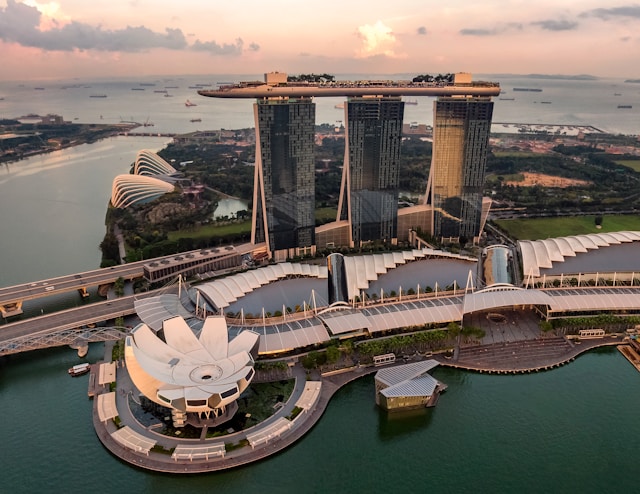
Smart cities are becoming a focal point for urban development, leveraging technology to improve the efficiency and sustainability of city living. This trend involves the integration of digital infrastructure, such as IoT devices and data analytics, to enhance urban services, reduce energy consumption, and improve quality of life. Real estate markets in smart cities are attracting investors and residents who value innovation and connectivity. As cities continue to embrace technology, the demand for properties equipped with smart home features and access to digital amenities is expected to grow.
2. Increasing Demand for Mixed-Use Developments
Mixed-use developments are gaining popularity as they offer a convenient and integrated lifestyle for urban residents. These developments combine residential, commercial, and recreational spaces, allowing people to live, work, and play within the same area. The appeal of mixed-use communities lies in their ability to reduce commute times, increase walkability, and foster a sense of community. As urban populations grow and space becomes more limited, mixed-use developments are likely to play a significant role in shaping the future of city living.
3. The Impact of Remote Work on Urban Housing Markets
The shift to remote work has had a profound impact on urban housing markets, altering traditional living patterns and preferences. As more companies adopt flexible work policies, employees are reevaluating their housing needs, leading to increased demand for properties with home office spaces and proximity to green areas. This trend has prompted some urban residents to move to suburban or rural locations in search of more space and affordability. However, cities with vibrant cultural and social offerings continue to attract remote workers who prioritize lifestyle over proximity to the office.
4. Emphasis on Sustainability and Green Building Practices
Sustainability is becoming a central consideration in urban real estate development, driven by growing awareness of environmental issues and regulatory pressures. Developers are increasingly incorporating green building practices, such as energy-efficient designs, renewable energy sources, and sustainable materials, into their projects. Properties with eco-friendly features are gaining popularity among buyers and renters who prioritize environmental responsibility. As sustainability becomes a key differentiator in the market, real estate professionals must adapt to meet the demand for greener living options.
5. The Transformation of Retail Spaces in Urban Areas
The retail landscape in urban areas is undergoing significant changes as e-commerce continues to reshape consumer behavior. Traditional retail spaces are being repurposed to meet the evolving needs of urban residents, with a focus on experiential and community-oriented offerings. Mixed-use developments are incorporating retail components that emphasize dining, entertainment, and social interaction, creating vibrant hubs that attract foot traffic. As retail spaces adapt to changing consumer preferences, real estate professionals must remain agile to capitalize on new opportunities in urban retail markets.
Conclusion
Urban real estate markets are evolving rapidly in response to technological advancements, changing lifestyles, and environmental considerations. By understanding the trends shaping the future of cities, stakeholders can make informed decisions and adapt to the dynamic urban landscape. Whether investing in smart city developments, exploring mixed-use opportunities, or prioritizing sustainability, staying ahead of these trends is essential for success in the ever-changing world of urban real estate.